

Does it ever feel like the world is spinning faster every day?
The to-do lists are endless. The notifications are constant. There's a relentless pressure to push forward, achieve more, and be better. We live in a culture that glorifies being busy, where "rest" can feel like a weakness, and "slowing down" feels like being left behind.
In our quest for well-being, we try to optimize our recovery. We schedule intense workouts, track our sleep with precision, and try to hack our downtime. And yet, so many of us still feel tired.
Why?
Perhaps we’ve been approaching recovery all wrong. We’ve turned it into another job to be done, another goal to conquer.
At Avolis, we believe the answer isn’t to do more. It’s to do less, but with deeper intention. The key to true, lasting recovery lies in an act that feels almost counterintuitive in our modern world: slowing down.
The Lost Art of Listening
When you move in a hurry, you can’t hear anything. You miss the sound of the wind, the rhythm of your own breathing, and most importantly, the subtle messages your body is constantly sending you.
A dull ache in your shoulder. A feeling of tightness in your chest. A mind that won’t stop racing.
These are not enemies to be silenced. They are messengers. They are the language of your body, signaling that something is out of balance.
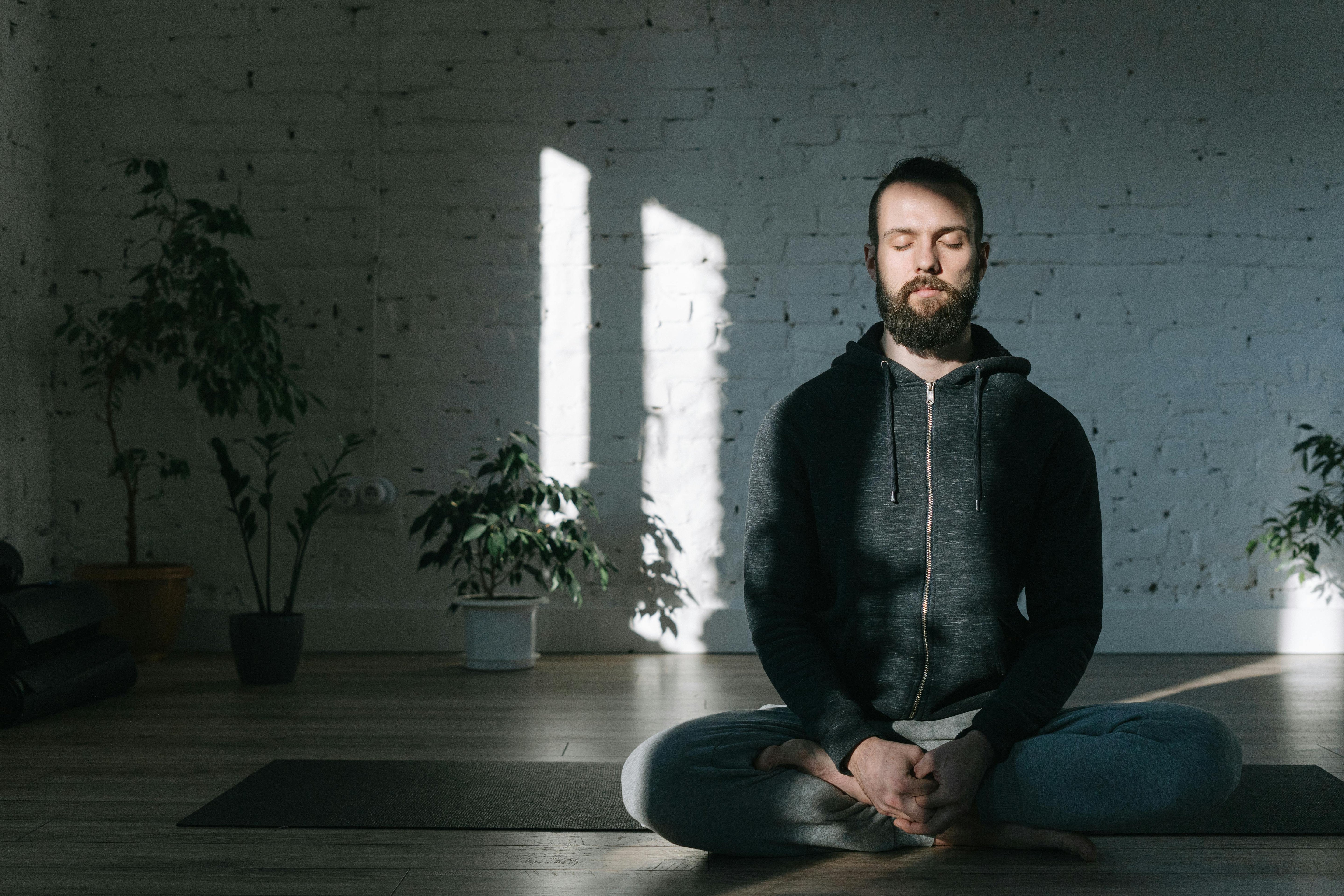
Slowing down is the conscious act of creating space to listen.
When you give yourself permission to be still, even for a few moments, you send a powerful signal to your nervous system: "You are safe. It is time to heal." You shift your body out of a state of "fight-or-flight" and into "rest-and-digest"—the state where the most profound recovery happens.

Consistency Over Intensity
Recovery is not a sprint. It is a garden to be tended to, day after day.
Hustle culture tells us that extraordinary effort yields results. But in the practice of self-care, it’s the small, consistent acts that create sustainable change.
A 90-minute therapeutic massage once a month is wonderful. But ten minutes of mindful self-massage every evening can be even more transformative. It teaches your body a new rhythm of care. It builds a ritual that your body and mind learn to anticipate and cherish.
Slowing down allows this consistency to take root. It doesn’t feel overwhelming, because you aren’t trying to conquer a mountain in a day. You are simply taking gentle steps on your own path, every single day.

Building Your Recovery Sanctuary
The philosophy of mindful recovery doesn’t ask you to overhaul your entire life. It invites you to start where you are, with what you have.
-
Before you begin a recovery session, take one minute to simply sit and breathe. Notice the air entering and leaving your body. That’s it.
-
As you use a recovery tool, truly feel it. Notice the pressure, the vibration, the warmth spreading through your muscles. Bring your full attention to that single area of your body.
-
Create a small corner in your home—your recovery sanctuary. It might just be a comfortable chair and a soft mat. But it is your space, a place where you signal to your mind that it’s time to slow down.
-
A Simple Starting Point, You don’t need to change everything at once. Begin by creating a small recovery space that supports your daily rhythm. Explore our curated Recovery Corner essentials →
Recovery is not a destination. It is the art of coming home to your body and mind. By slowing down, you are not just supporting your body’s natural healing process; you are rediscovering a sense of peace that was there all along.
Your journey can begin today. Not with a leap, but with a single, slow breath. Recovery does not require intensity — it requires intention.
For some, that intention may simply be space and silence.
For others, it may include thoughtfully designed tools that support the body’s natural rhythm within everyday life.
A Simple Starting Point
If slowing down resonates with you,
start by creating a small recovery space at home.


Partager:
La douleur à laquelle vous vous êtes habitué ne provient peut-être pas de vos articulations.
The Art of Mindful Recovery: Where Neuroscience Meets Thermal Therapy