

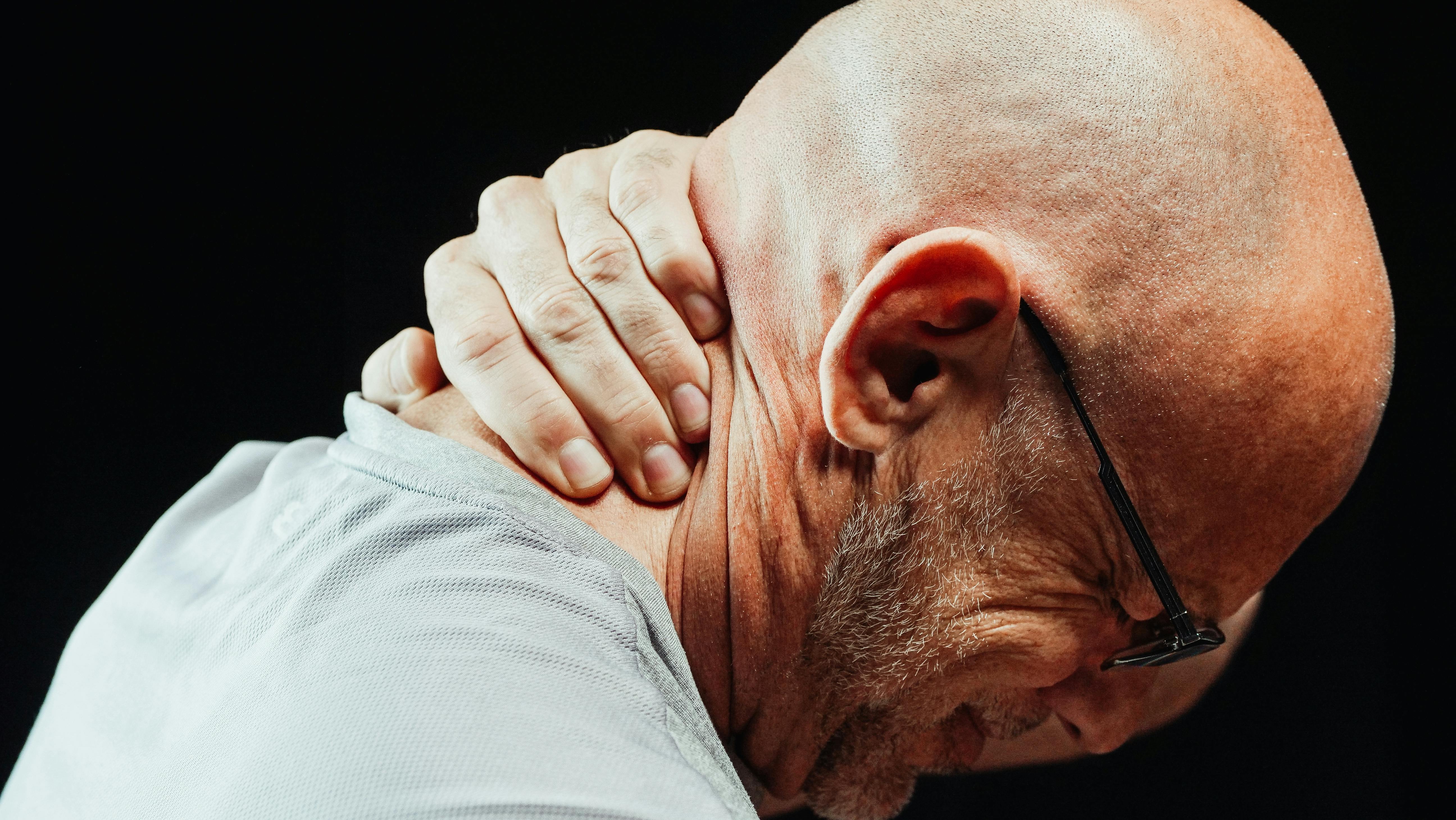
Understanding how emotional tension becomes physical pain — and how mindful recovery can help.
In today’s fast-paced world, neck and shoulder pain has become one of the most common complaints among adults — especially between the ages of 30 and 50. While we often blame posture, long working hours, or screens, science shows that the root cause is often deeper: chronic stress.
🧠 The Science Behind Stress and Muscle Tension
When we experience stress — whether from work pressure, emotional strain, or constant multitasking — our body activates the sympathetic nervous system, also known as the “fight or flight” response.
In this state, the brain sends signals that:
-
Tighten muscles, especially around the neck, shoulders, and upper back,
-
Increase cortisol (the stress hormone),
-
Constrict blood vessels and limit oxygen flow to muscle tissues.
Over time, these reactions create chronic muscle tension — even if you’re just sitting still.
According to Harvard Health Publishing:
“Persistent stress keeps muscles in a constant state of guarded contraction. This tension can lead to stiffness, pain, and even headaches that start in the neck and move upward.”
⚙️ Why the Neck and Shoulders?
The neck and shoulders are stress-sensitive regions of the body. They act like emotional barometers — silently carrying the weight of our mental and emotional load.
-
The trapezius and levator scapulae muscles (responsible for holding up the head) are directly affected by stress hormones.
-
These muscles have a high density of sensory nerves, making them more responsive to emotional tension.
-
That’s why after a stressful day, you might instinctively rub your neck or roll your shoulders — your body is trying to release built-up tension.
A study from the Mayo Clinic also found that people under chronic stress were twice as likely to experience neck and shoulder pain, regardless of posture or physical workload.
🔄 The Vicious Cycle: Mind → Body → Mind
Stress and pain feed each other.
When you’re stressed, your muscles tighten.
When muscles stay tight, they send pain signals to the brain.
Those pain signals reinforce the sense of stress — creating a self-perpetuating loop.
This is known as the stress–tension–pain cycle, and it explains why pain often persists even after resting or massage.
Without addressing the mental load, the body never fully releases the tension.
🌬️ How to Break the Cycle
Modern recovery science — supported by research from the Harvard Mind–Body Institute — shows that the most effective approach is mind–body integration.
That means combining physical relaxation with mental awareness.
Here’s how you can do it:
1. Heat Therapy
Warmth increases blood flow, delivers oxygen, and helps muscles release tension.
Infrared heat (around 45–50°C) has been proven to relax deep muscle tissue and lower stress-related stiffness.
2. Mindful Breathing
Breathing slowly and consciously signals the brain that you are safe — shifting the nervous system from “fight or flight” to “rest and recovery.”
Try this during your sauna session:
“Breathing in, I calm my body.
Breathing out, I let go of tension.”
3. Awareness of the Body
Observe sensations (warmth, tightness, relaxation) without judgment.
This helps the nervous system process and release stored tension naturally.
4. Cold Therapy (Optional Contrast)
Short exposure to cold (10–15°C for 2–3 minutes) can “reset” the nervous system and promote deep recovery — especially when followed by mindful breathing.
Mindful Recovery: A Sustainable Approach
At Avolis Recovery™, we believe recovery is not about chasing quick relief — it’s about creating mindful environments where the body and mind can restore together.
By combining heat, breath, and awareness, you’re not just relaxing your muscles — you’re retraining your nervous system to stay balanced under stress.
Over time, this practice:
-
Reduces chronic neck and shoulder tension,
-
Improves sleep and focus,
-
Restores emotional equilibrium,
-
Builds long-term resilience to stress.
“Your neck doesn’t just carry your head — it carries your life’s tension.”
Learning to release that tension, through mindful recovery, is one of the most powerful gifts you can give your body.
References:
-
Harvard Health Publishing, “How Stress Affects Your Body”
-
Mayo Clinic, “Muscle Tension and Stress Response”
-
National Institutes of Health (NIH), Mind–Body Interaction in Chronic Pain
-
Benson, H. — The Relaxation Response, Harvard Mind–Body Institute


Share:
The Benefits of Hot and Cold Therapy — A Natural Path to Balance and Recovery
Why Does Your Body Hurt Even When You Don’t Do Anything Heavy?