

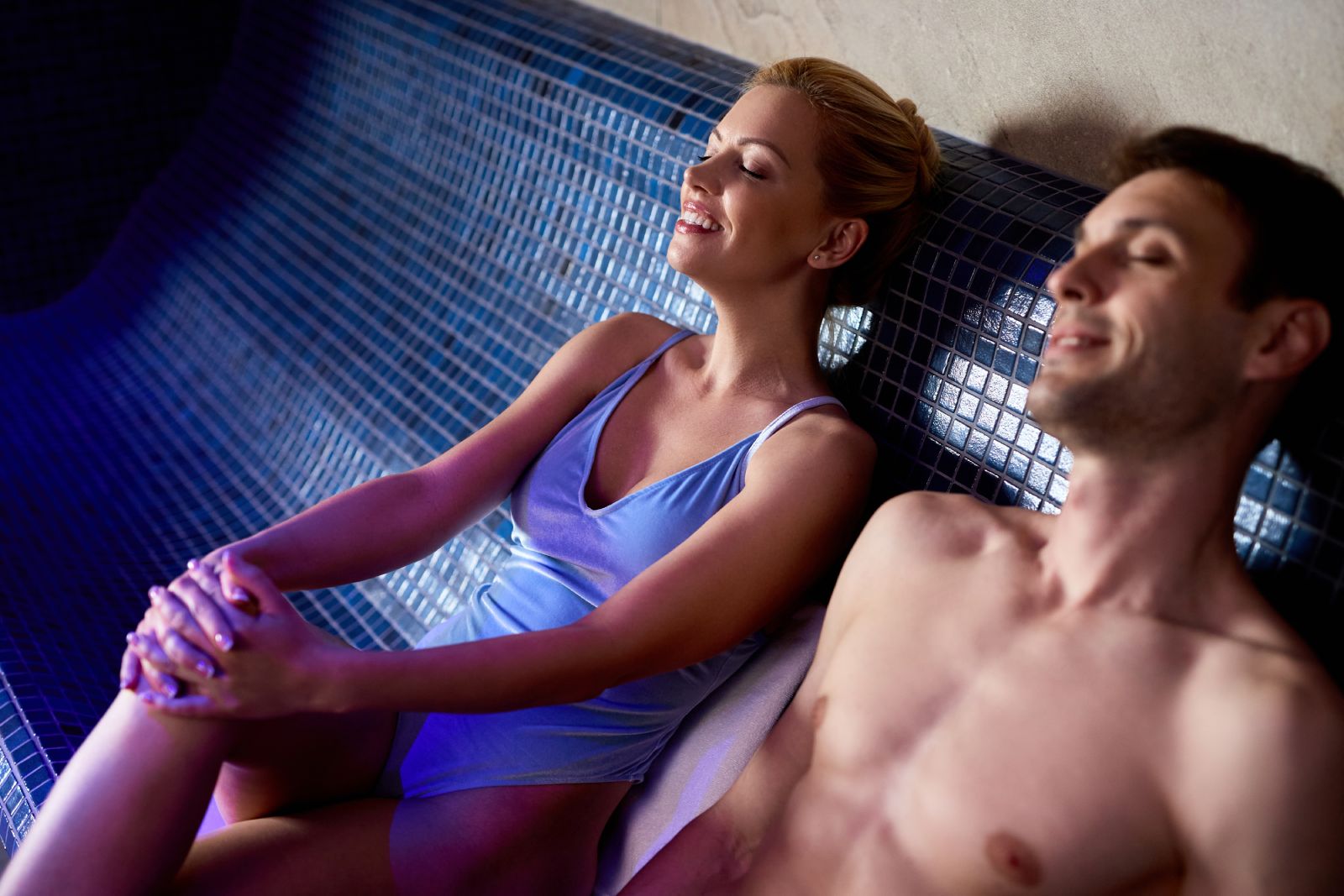
In the modern wellness world, hot and cold therapy has become more than a physical treatment — it’s a method of reconnecting the body and mind through contrast and awareness. Alternating heat and cold has been practiced for centuries, yet science is only now catching up to explain why it’s so deeply restorative.
🌡️ The Science Behind Heat Therapy
Heat therapy, whether through infrared saunas, steam rooms, or warm baths, works by increasing circulation and relaxing tight muscles. When heat penetrates the skin, it widens blood vessels, allowing oxygen and nutrients to flow more freely through the body.
This process helps:
-
Relieve joint and muscle tension
-
Improve flexibility and range of motion
-
Support detoxification by stimulating sweat
-
Promote calmness through parasympathetic activation
Scientific studies suggest that consistent sauna use may also help regulate inflammation, improve cardiovascular health, and promote the release of endorphins — the body’s natural feel-good chemicals.
❄️ The Science Behind Cold Therapy
Cold exposure — through ice baths, cold plunges, or contrast showers — offers the opposite yet complementary effect. When you expose your body to cold, blood vessels constrict, and the body increases circulation to maintain core temperature. This short-term stress, known as hormetic stress, triggers resilience.
Benefits of cold therapy include:
-
Reducing muscle soreness and inflammation
-
Strengthening immune function
-
Enhancing recovery after intense activity
-
Increasing alertness and energy levels
When practiced regularly, cold exposure helps train both the body and mind to adapt to change — cultivating resilience, focus, and inner calm.
♾️ The Power of Contrast — Combining Heat and Cold
Alternating between hot and cold therapy enhances circulation, oxygenation, and overall cellular recovery. This contrast approach, used in traditional Finnish saunas and modern athletic recovery centers, trains your blood vessels to expand and contract efficiently — much like exercise for your vascular system.
The rapid shift from warmth to cold also helps:
-
Boost metabolism and cellular detoxification
-
Reduce chronic pain
-
Improve sleep quality and stress response
-
Support mental clarity and emotional balance
🧘 Mindfulness: The Missing Link in Thermal Recovery
At Avolis Recovery™, we believe that the true potential of heat and cold therapy is unlocked through mindfulness.
When you breathe consciously and stay present during thermal change, your nervous system learns to respond with awareness instead of resistance.
“Awareness transforms reaction into recovery.”
Through mindful breathing, your body’s self-regulation system is strengthened, leading to deeper, more sustainable healing — physically and mentally.
🌱 How to Practice Safely
-
Start slowly. Alternate between short sessions of heat (10–15 minutes) and cold (1–3 minutes).
-
Listen to your body. Never push through pain or dizziness.
-
Hydrate well. Thermal therapies increase fluid loss through sweat.
-
End with mindfulness. Spend a few quiet breaths noticing how your body feels after the contrast.
Hot and cold therapy is more than temperature — it’s transformation.
Each session invites the body to release, rebalance, and renew its inner rhythm.
By combining mindful breathing, gentle awareness, and consistent practice, you’re not only supporting recovery — you’re cultivating resilience, presence, and long-term well-being.
Inspired by — rewritten by Avolis Recovery™
-
Life Extension Foundation. “Benefits of Hot and Cold Therapy.” LifeExtension.com
-
Harvard Health Publishing – “Sauna bathing: A warm way to wellness”
-
National Institutes of Health (NIH) – Thermoregulation and Hormetic Stress


Share:
Deep Relaxation in the Sauna – For Body & Mind
Why Stress Is the No.1 Cause of Neck and Shoulder Pain